 BusinessClassExpert
Gourmet Destinations: Culinary Trips Worth the Flight
Travel for the love of food. From Michelin-starred Tokyo to tapas in Barcelona, indulge in the best cuisine after arriving in pure comfort.
Where Culinary Dreams Take Flight
As the aircraft descended into Tokyo's Narita Airport, Michael could already taste the anticipation. His palate, refined through years of culinary exploration, was about to embark on its greatest adventure yet. This journey wasn't merely about eating—it was a pilgrimage to the world's most celebrated food destinations, where business class travel provided the perfect prelude to gastronomic excellence.
"The art of gourmet travel begins at 30,000 feet. Premium airlines now partner with Michelin-starred chefs to create inflight dining experiences that prepare your palate for the culinary adventures awaiting at your destination."
Japan: Tokyo's Michelin Constellation
Tokyo stands alone as the culinary capital of the world, boasting more Michelin-starred restaurants than any other city. From meticulous sushi masters to kaiseki tradition-keepers, Tokyo offers an unparalleled depth of culinary excellence. The city's food culture represents a perfect marriage of centuries-old tradition and cutting-edge innovation.
Spain: Barcelona's Tapas Tradition
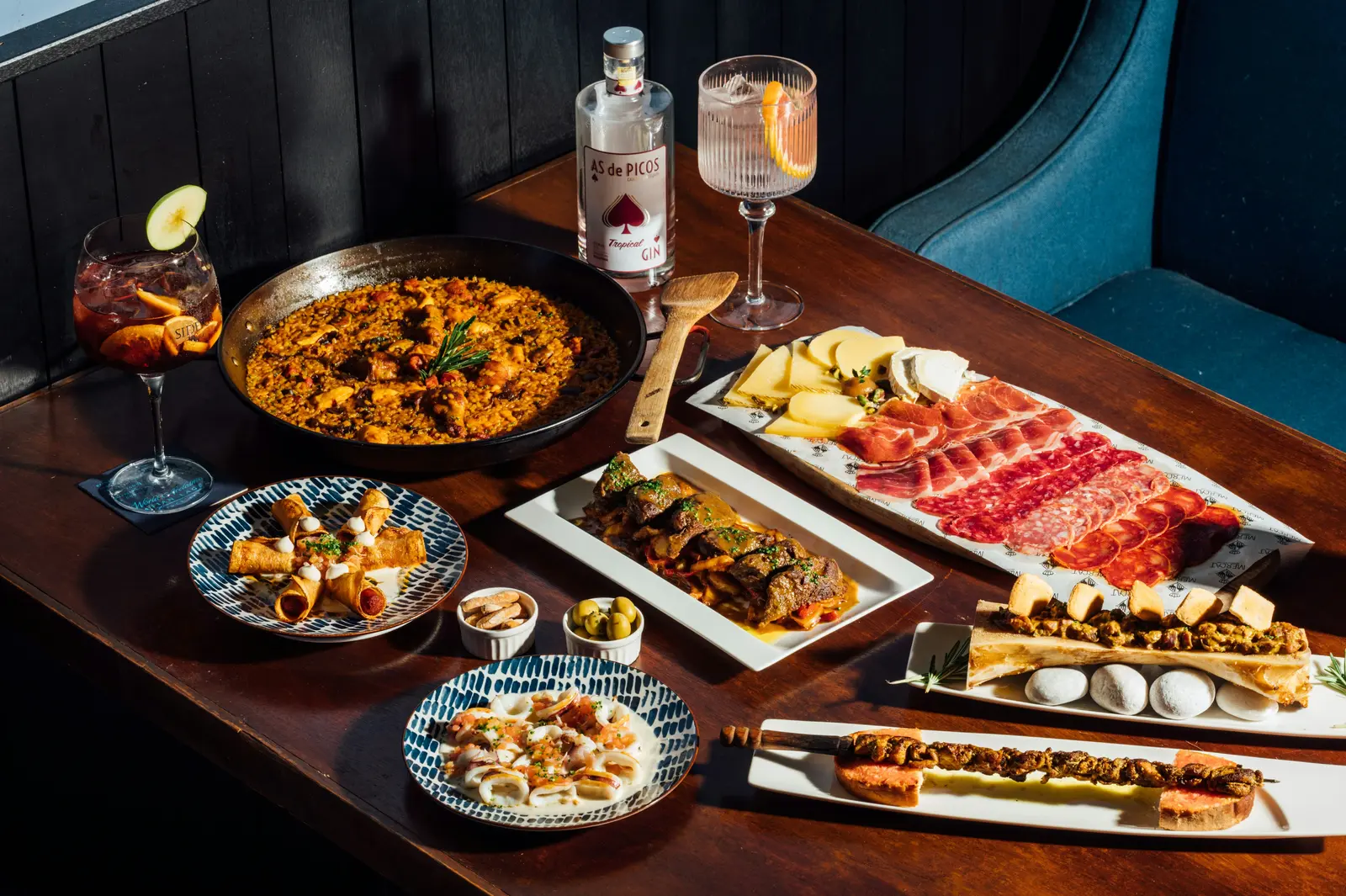
Barcelona represents the vibrant heart of Catalan cuisine, where traditional tapas culture meets avant-garde culinary innovation. The city's food scene thrives in its bustling markets, neighborhood bodegas, and world-class restaurants where chefs like the Adrià brothers have redefined modern Spanish cuisine.
Thailand: Bangkok's Street Food Excellence
Bangkok represents street food paradise, where Michelin stars now grace humble food stalls alongside world-class fine dining establishments. The city offers an incredible spectrum of culinary experiences, from fiery street-side som tam to exquisite royal Thai cuisine served in luxurious settings.
Beyond the Classics: Emerging Gourmet Destinations
While Tokyo, Barcelona, and Bangkok represent iconic food cities, several emerging destinations offer incredible culinary experiences:
Lima, Peru: The birthplace of Novo-Andean cuisine, with Central and Maido ranking among the world's best restaurants.
Copenhagen, Denmark: Home to Noma, consistently ranked among the world's best restaurants, and a thriving New Nordic food scene.
San Sebastián, Spain: boasts the highest concentration of Michelin stars per capita, with legendary pintxos bars and culinary innovation.
The Art of Culinary Travel: Premium Considerations
Exploring world cuisines in luxury requires special planning and considerations:
Reservation Services: The ultimate luxury in culinary travel is accessing impossible-to-book restaurants through premium concierge services.
Private Experiences: Arrange private cooking classes with renowned chefs, market tours before opening hours, and meals in exclusive locations.
Dietary pacing: Build recovery days between intense culinary experiences to prevent palate fatigue.
Local Specialists: Engage food anthropologists or culinary historians to provide context to your dining experiences.
"The luxury of culinary travel lies not in excessive consumption, but in curated experiences that tell the story of a place through its food, its people, and its traditions."
Crafting Your Gourmet Itinerary
When planning a luxury culinary journey, consider these elements for an exceptional experience:
1. Seasonal Timing: Visit during harvest seasons or food festivals for peak ingredient quality and special culinary events.
2. Balance: Mix street food, casual bistros, and fine dining to experience the full spectrum of a destination's cuisine.
3. Local Partnerships: Work with tour operators who have relationships with chefs and restaurateurs for special access.
4. Documentation: Hire a food photographer or keep a detailed journal to preserve memories of exceptional dishes.
5. Digestive Health: Pack probiotics and plan lighter meals between rich dining experiences.
As Michael sat at the counter of a tiny sushi restaurant in Tokyo's Ginza district, watching the master prepare nigiri with precise movements honed over decades, he reflected on how premium travel had transformed his culinary journey. From the business class flight where he'd first tasted kaiseki principles at altitude, to the expert guides who'd unlocked hidden food cultures, every element had been curated for gastronomic discovery. In that moment, tasting the perfect balance of rice and fish, he understood that true luxury culinary travel doesn't just feed the body—it nourishes the soul, connecting us to cultures and traditions through the universal language of food.